
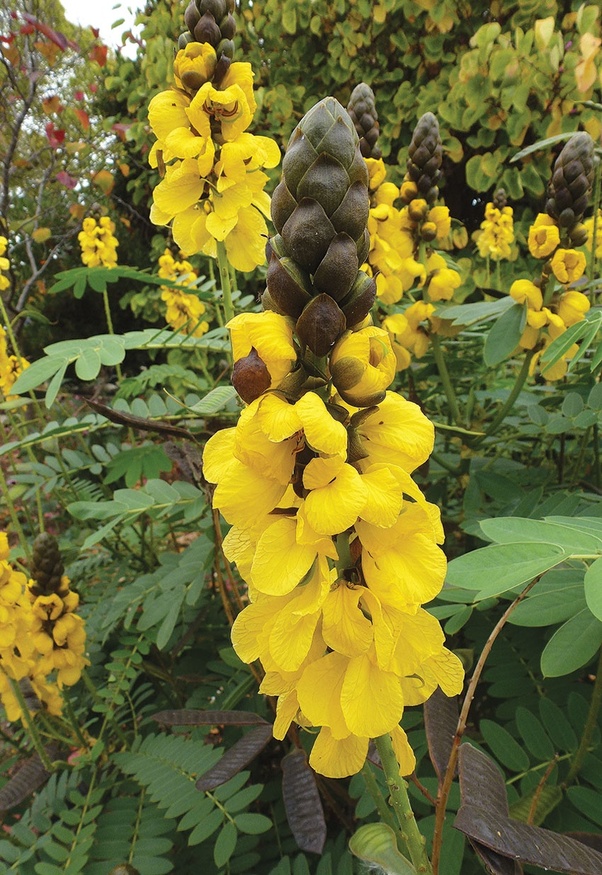
Popcorn Plant
Popcorn Plant. You may need to plant deeper if you sow the seed in the hot summer, up to 2 inches or so. Grow a popcorn plant for your family and at the very least, you’ll grow some memories.
Imagine how great it will be to grow and eat popcorn from your garden! It is a heavy feeder, requiring regular fertilizer, and frequent watering. The popcorn aspect of the name comes from the unique scent produced by.
When Grown As A Small Shrub In Colder Climates As An Annual, It Usually Doesn't Get Taller Than Three Feet.
Industrial oil popping plant includes automated feed system, a central main control panel built from stainless steel material. This ornamental plant looks good in gardens and landscaping and can be grown as a houseplant as well. The popcorn should produce tassels and silks before the sweet corn.
However, It Is Additionally Grown As An Ornamental Plant Worldwide.
It requires a slightly acid to neutral soil ph, about 5.8 to 6.2, and well drained rich soil. Pearl popcorn has round kernels, while rice popcorn kernels are elongated. You may need to plant deeper if you sow the seed in the hot summer, up to 2 inches or so.
Do Protect From Prolonged Frosts And.
Popcorn plant is a member of the legume family and is native to tropical sections of africa. Popcorn is a corn kernel with the scientific name zea mays everta. The species senna didymobotrya has also been used as a cover crop or green manure crop in some locations.
Popcorn Is A Variety Of Corn Kernel Which Expands And Puffs Up When Heated;
The popcorn aspect of the name comes from the unique scent produced by. Sow seeds shallowly indoors in february or march and wait until all danger of frost has passed before transferring outdoors. To isolate popcorn from sweet corn by time, plant the popcorn first, once the soil has warmed.
When The Leaves Of The Popcorn Cassia (Sometimes Called Peanut Butter Cassia) Are Crushed It.
It is a heavy feeder, requiring regular fertilizer, and frequent watering. It will need about 2 inches (5.08 centimeters) of water each week (depending on soil condition) until it is ready. The scent emanates not from the blooms, but from the leaves, which run in pairs up and down the branches.